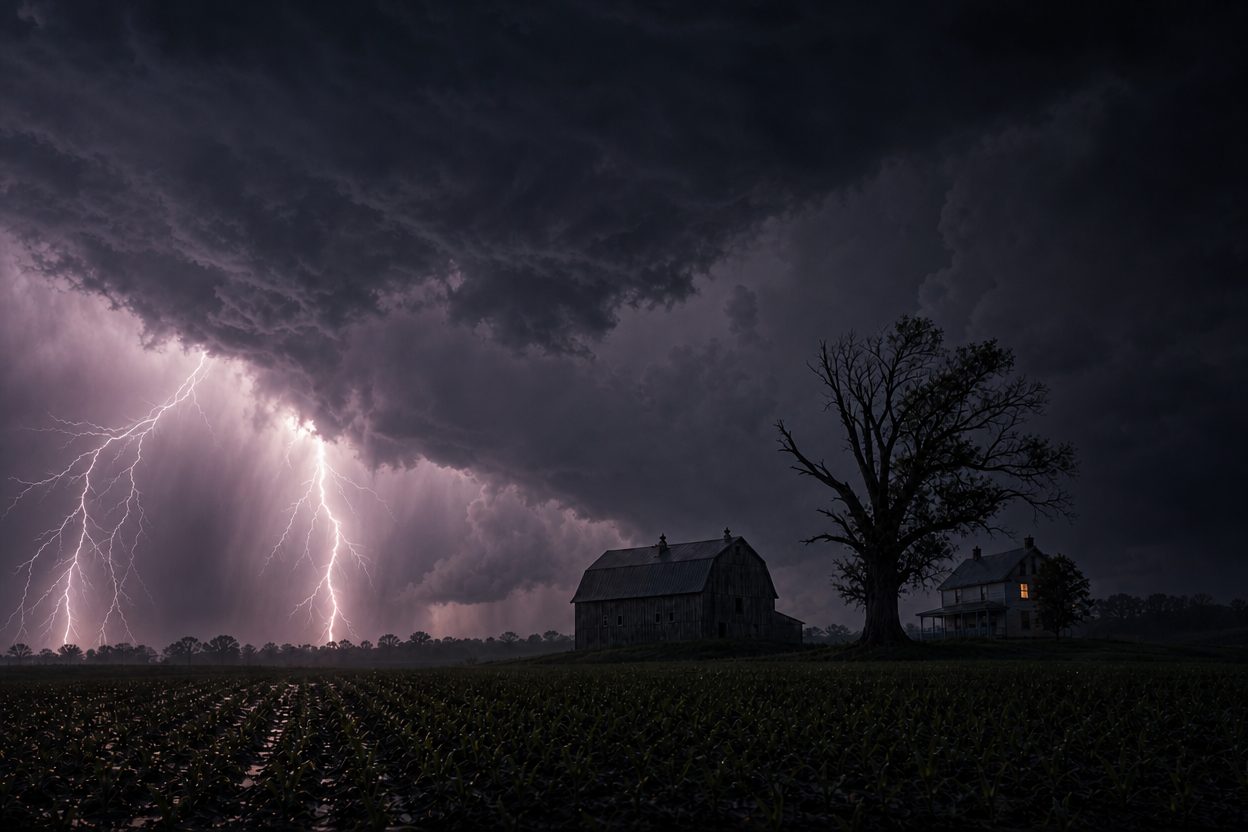
Southeast Minnesota · Highway 52 · Est. 1878
Welcome to Millfield.
Two thousand five hundred people, one water tower, and a bank that knows what every one of them owes.
On the front table at Millfield Books & Supply
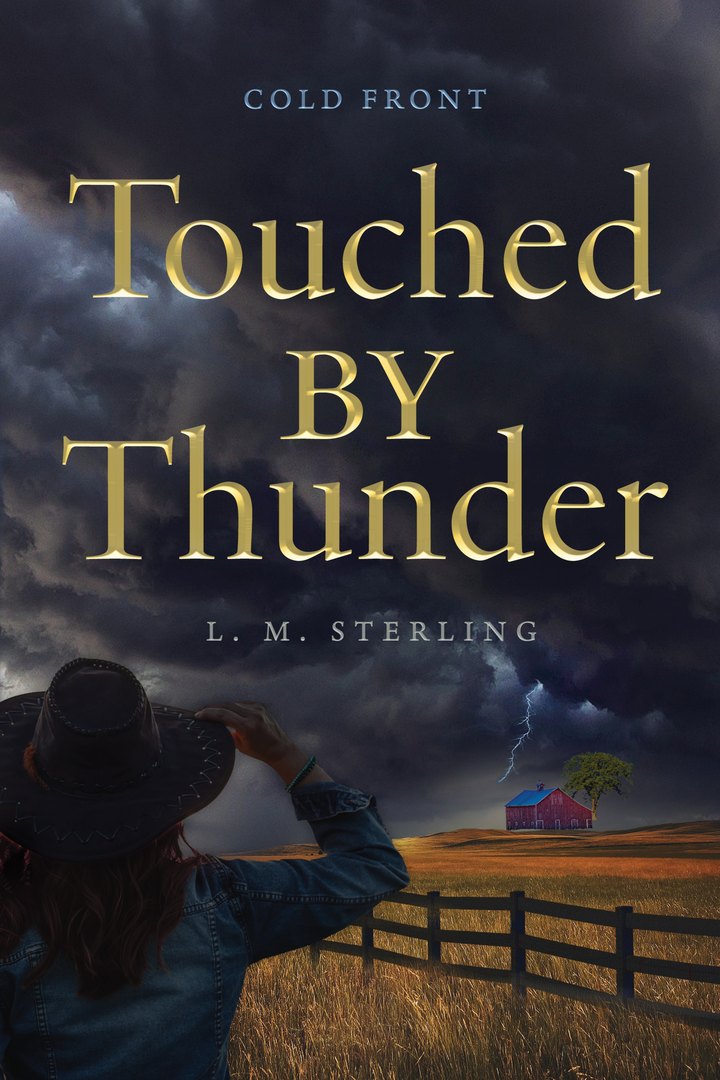
She built a life she could survive. He made her want more than survival.
At forty-two, Elena Hartwell has spent three years keeping her farm — and herself — standing after the storm that killed her husband. She can repair broken machinery, outwork bad weather, and carry every burden alone.
Jake Morrison is twenty-three, a Marine veteran who has not stayed anywhere since the service — never long enough for the past to catch up. He came home from an IED attack. The men beside him did not. He is looking for a reason to keep living, not for someone to love.
He does not try to rescue her. He works beside her. He listens. He understands that some wounds cannot be repaired by force.
This is a slow burn. That’s a promise, not a warning.
Kindle, paperback, or included with Kindle Unlimited. Chapter one is on this site, and we don’t ask for your email to read it.
She is forty-two. He is twenty-three.
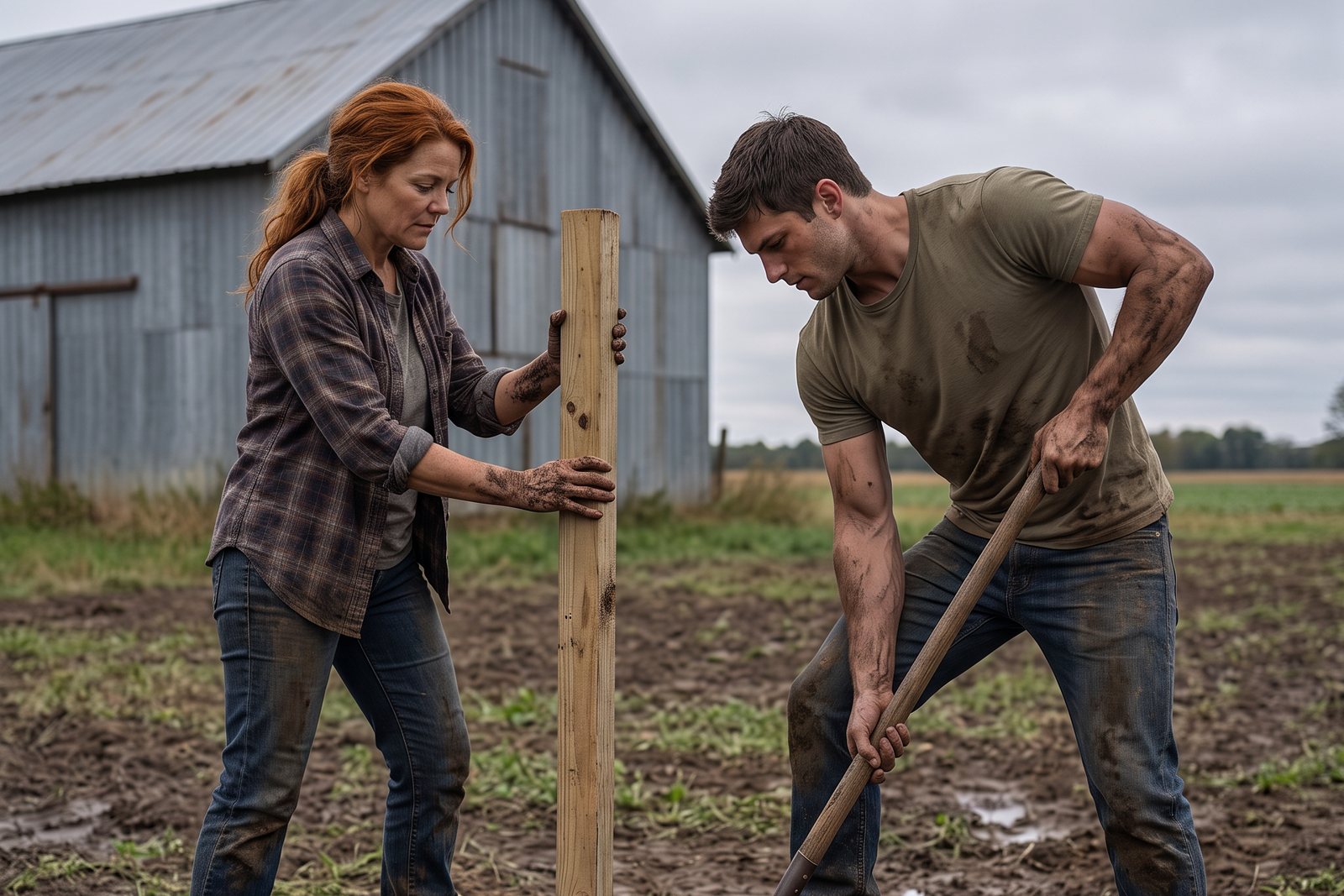
Nineteen years, and everyone in Millfield has an opinion. The co-op bench has one. The church circle has one. The bank has one, and the bank writes it down.
Nobody in this story gets rescued. He knew engines. He knew nothing about crops, and she taught him — through planting, through storms, through a season of long days in the same fields. Respect becomes trust. Trust becomes something neither of them planned on. Very slowly.
Three things that are true

She survived.
Three years a widow. Two hundred and eighty acres. Elena kept it alive on grit and stubborn competence. She doesn’t need saving. She needs another season.
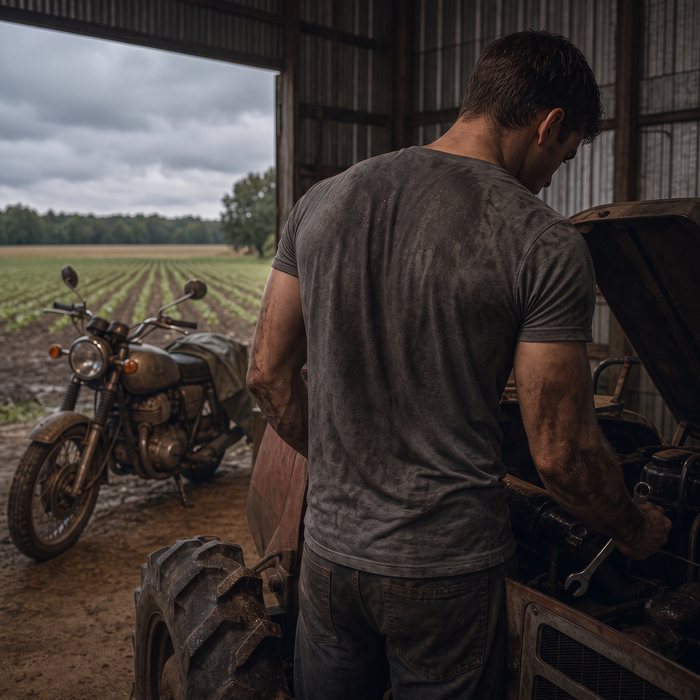
He stayed.
Jake rode up from Ohio in a January blizzard without checking the forecast, went off the road into a drift a mile short of the farm, and was pulled out of the cold by the man he had come to see. He had not stayed anywhere since the service. He stayed here.

Love takes work.
No sweeping declarations. Two people learning each other the way you learn a piece of ground — slowly, in the dirt, with the whole town watching.
What the reviewer said
Must read. Selena Jodha’s five-star verdict for Reedsy Discovery
Every sentence serves the story; every description earns its place. … Sterling handles grief, trauma, and healing with nuance, avoiding clichés and melodrama. Selena Jodha, Reedsy Discovery
- A very slow burn, with an open-door payoff that is earned.
- Two capable adults. Nobody gets rescued.
- A nineteen-year age gap, named out loud.
- Real farm work, real machinery, real money.
- Grief, PTSD, and survivor’s guilt handled with restraint.
- No manufactured breakup. No big misunderstanding.
Start with the storm.
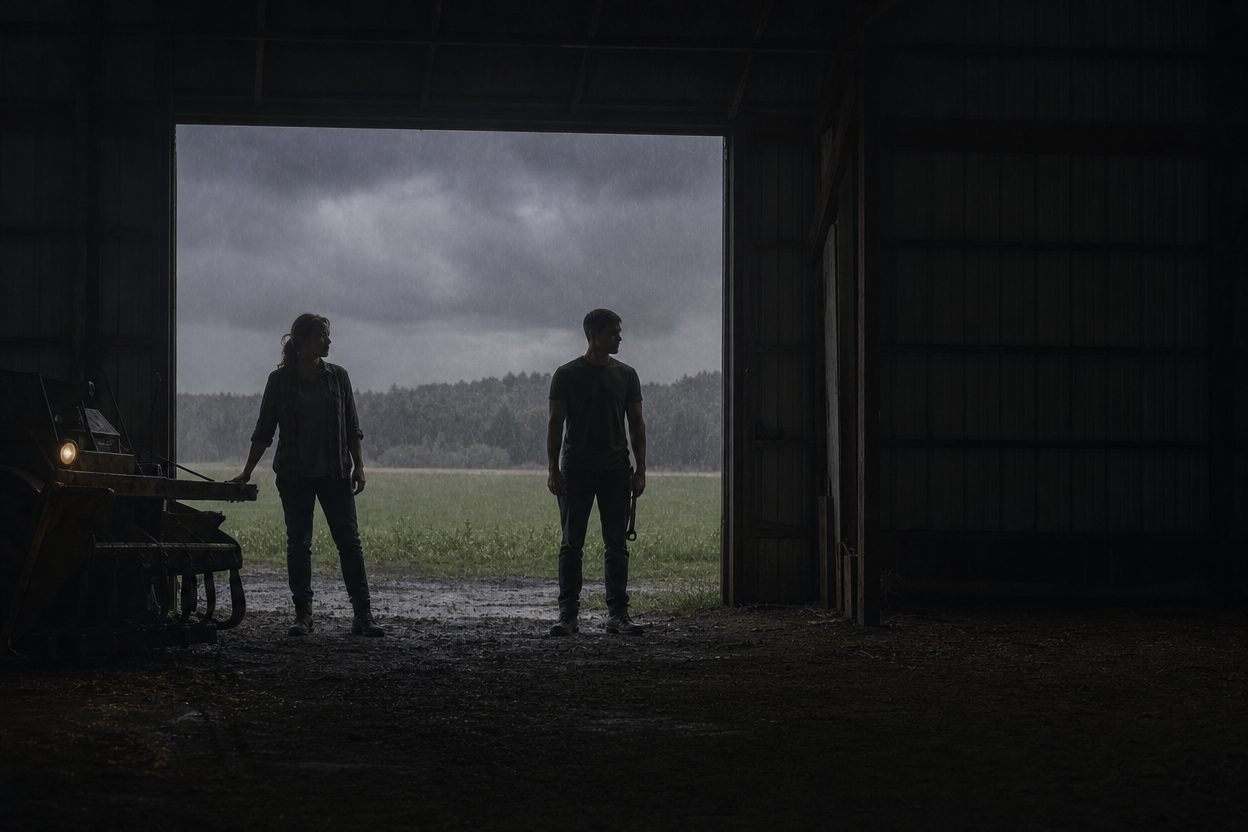
Touched by Thunder is the first book of the Cold Front trilogy, and the first of the stories set in Millfield. It finishes where it means to. You will not be left hanging.
- Touched by Thunder Book One · Out now
- Frost Line Book Two · Working title · In editing
- Lightning’s Reach Book Three · Working title · Coming
Kindle, paperback, or included with Kindle Unlimited. Chapter one is on this site, and we don’t ask for your email to read it.
The town, if you want it.
None of this is required reading. The book stands on its own, and Millfield will still be here afterward. Come in if you feel like it.
The Map
Every place belongs to someone. Start anywhere.
The People
Who you would meet. Nothing spoiled that you haven’t read.
The Shelf
Cold Front, and what comes after it.
The Weather & the Work
The farm year, the debt math, the storms of 2012.
From the Author
L. M. Sterling, on the making of it.
“Life is hard. Read a book.”
The first three chapters.
Join the list and they come to you. You will also be first through the gate when Frost Line opens. Occasional letters from Millfield, and nothing else.